
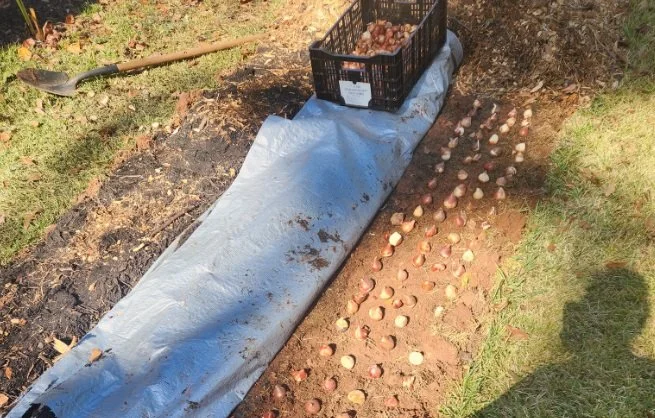
0 Till Farm
We leverage tarps and mulch to kill grass and make new beds. Zero-till (no-till) farming improves soil health by reducing erosion, preserving soil structure, and increasing organic matter and beneficial microbes. By leaving soil undisturbed and keeping mulch on the surface, it helps retain moisture, suppress weeds naturally, and improve nutrient cycling, which can lower input and watering needs over time. No-till practices also protect earthworms and beneficial insects by avoiding mechanical disruption of their habitat, allowing these organisms to thrive and naturally aerate the soil, break down organic matter, and support healthy plant growth - making our farm more resilient and productive in the long run.
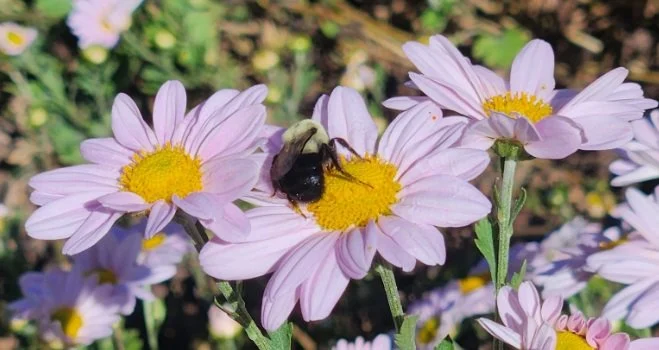
0 Pesticides
Using zero pesticides on a small-scale urban flower farm protects the health of pollinators, beneficial insects, and soil life that is essential for strong, resilient plants. It creates a safer environment for us, nearby residents, pets, and wildlife by eliminating chemical exposure and drift. Pesticide-free growing also supports cleaner soil and water, improves long-term soil fertility, and builds a more balanced ecosystem where natural predators help control pests (We love our spiders and paper wasps)! For customers, it adds trust and value by offering truly clean, sustainably grown flowers that align with ecological and community well-being.
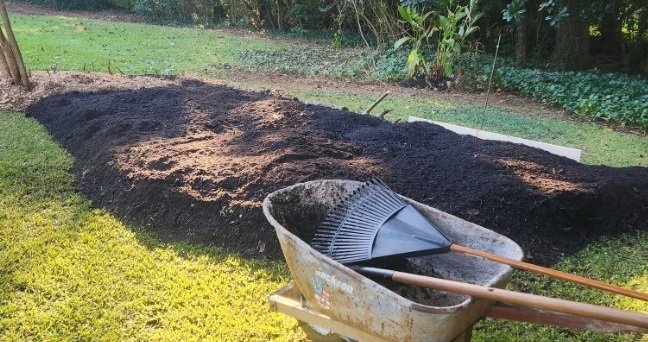
0 Synthetic Fertilizer
Using zero synthetic fertilizers helps build healthier, more resilient soil by encouraging natural nutrient cycling through compost and organic matter (Leave the leaves!). It reduces the risk of nutrient runoff and water pollution, which is especially important in urban environments. Plants grown without synthetic input tend to develop stronger root systems and more balanced growth, making them less prone to pests and disease over time. For a small-scale flower farm, this approach also supports long-term soil fertility and offers customers blooms that are truly clean, sustainable, and aligned with ecological stewardship.
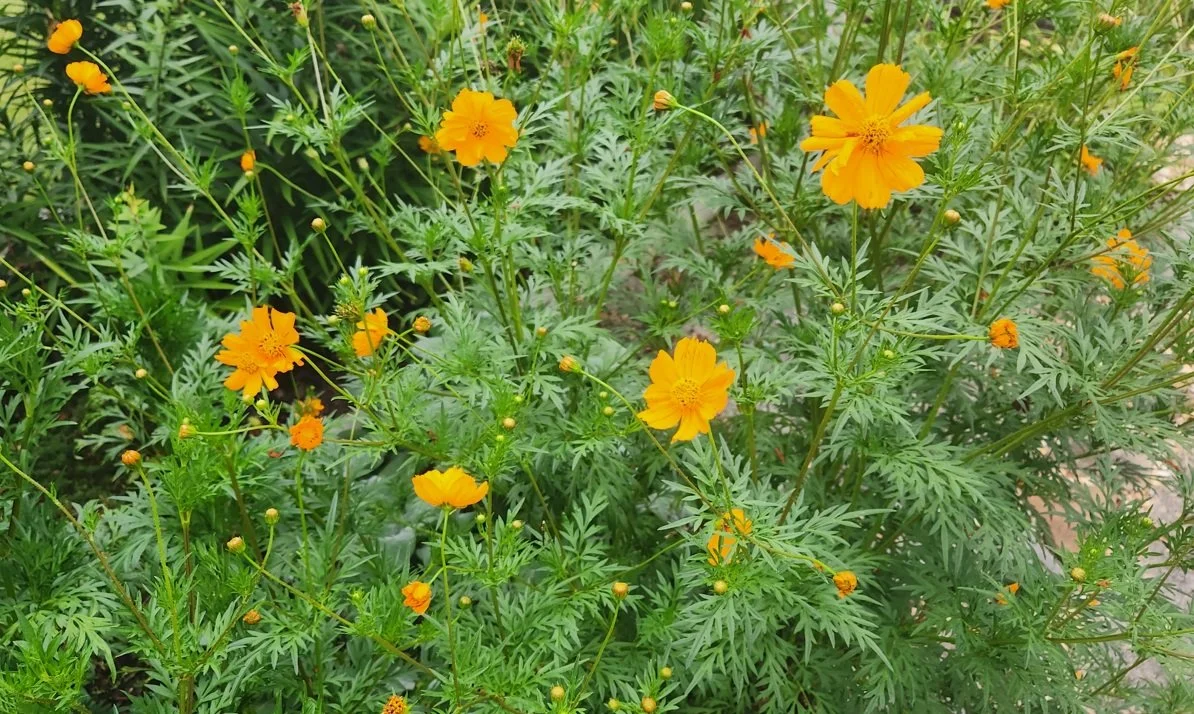
Climate Resilient Flowers
Planting mainly low-water-need crops conserves a precious natural resource by significantly reducing watering demand, which is especially important as droughts become more common and water supplies grow more strained. These flowers are better adapted to thrive with minimal supplemental watering, leading to healthier plants and lower energy use. By using less water, we reduce runoff, helping protect underground waterways from sediment pollution. Overall, prioritizing low-water crops supports a more resilient, climate-smart farming system that works in harmony with our environment.
Focus on Flowering Perennials
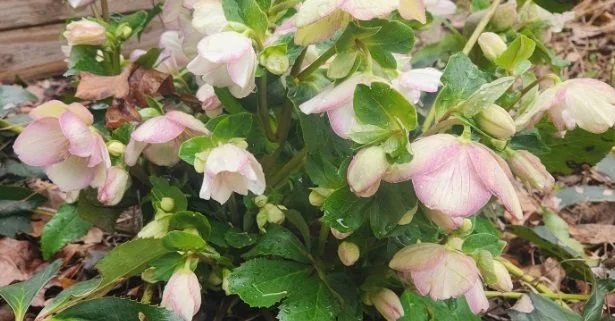
We focus most of our efforts on planting low maintenance flowering perennials with a long vase life. Planting flowering perennials offers meaningful environmental benefits by reducing the need for frequent replanting, intensive care, and resource inputs like water, fertilizers, and shipping of seeds/fuel. Because these plants return year after year, they help build stable soil structure, support consistent habitat for pollinators and beneficial insects, and minimize soil disturbance. Their extended vase life also means fewer flowers are needed to achieve the same decorative impact, which reduces waste and the overall environmental footprint for floral production. Together, these qualities create a more sustainable, resilient growing system that aligns with long-term ecological stewardship.
Strategic Interplanting
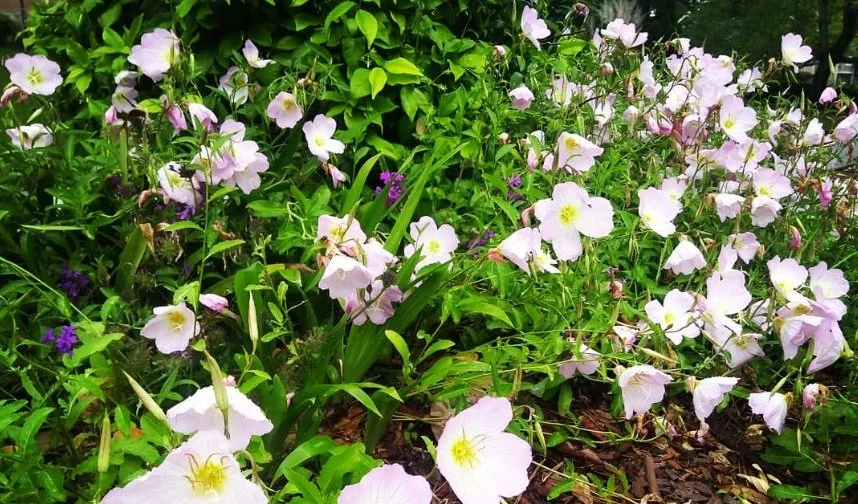
We focus on growing more in less space, by planting things closely that thrive together. Companion planting is a powerful strategy because it boosts productivity, plant health, and overall resilience while making the most of limited space. By growing compatible plants together - such as pairing flowers that attract beneficial insects with those prone to pests - you can naturally reduce pest pressure, improve pollination, and support a healthier soil ecosystem. Thoughtful spacing and layering, like interplanting quick-growing blooms between slower-maturing ones or using vertical elements for climbing varieties, allows us to harvest more from the same footprint. Together, companion planting and space-maximizing techniques create a diverse, efficient, and visually rich growing system that yields more flowers with fewer input.