About us
Urban Flower Farm - Garden - Homestead
Sustainably designed using permaculture best practices
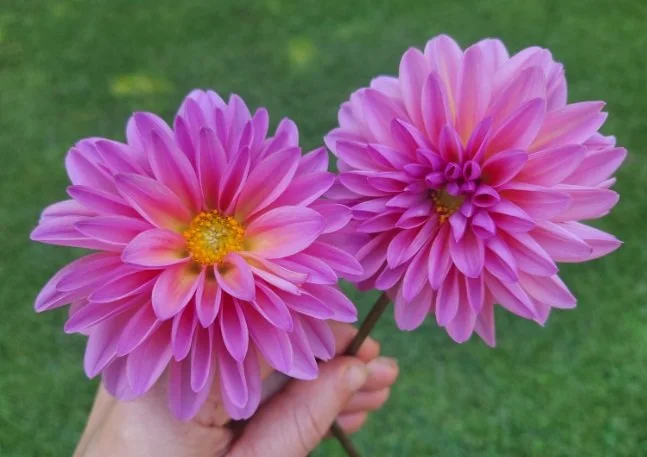
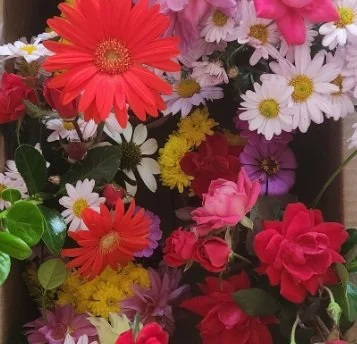
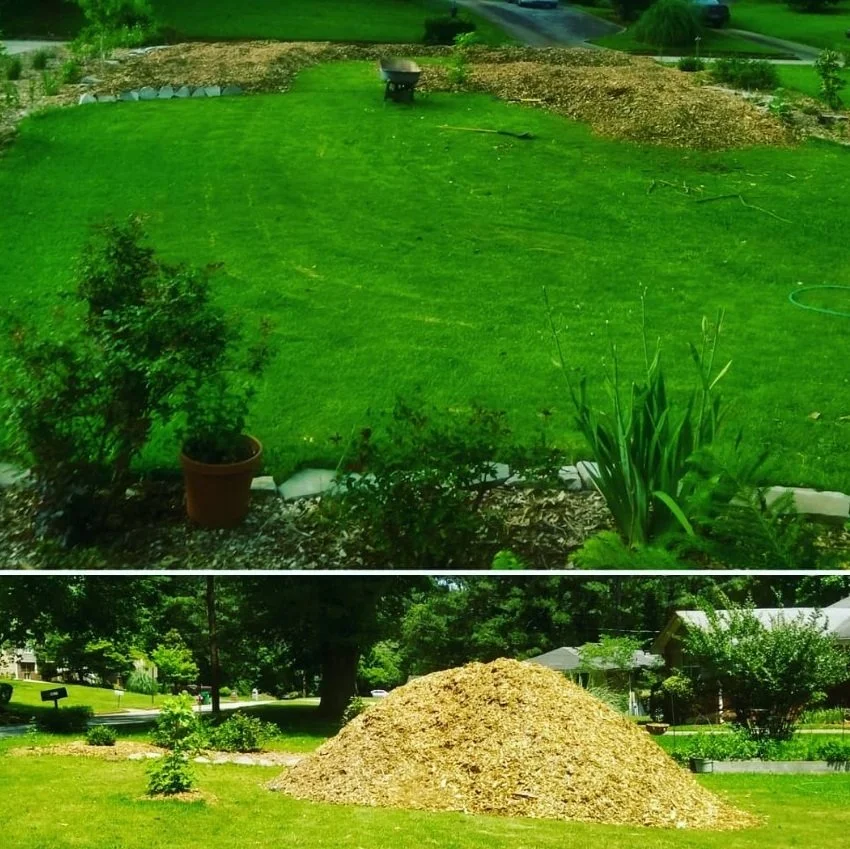
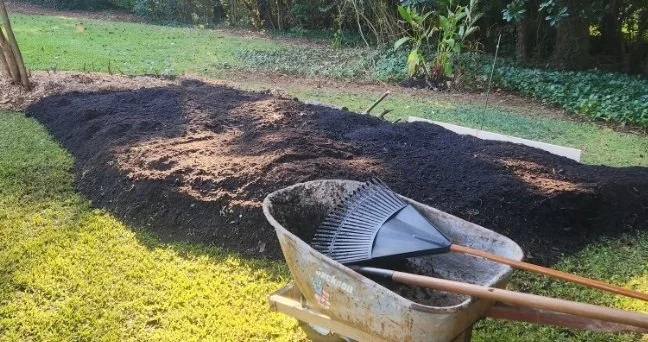
I purchased our property in 2017 with a vision of transforming it into an ecologically diverse garden, homestead, and small-scale urban flower farm. Over the past eight years, I’ve worked intentionally to build healthy, living soil by smothering grass with pine mulch sourced from local arborists and planting a wide variety of flowering perennials. We practice no-till growing, use zero pesticides and synthetic fertilizers, and nourish our soil with as much compost as we can create. Our garden has become a thriving habitat for beneficial insects, lizards, and birds that naturally keep pests in balance. As a zero-waste farm, we compost 100% of dead plant material and return it to the soil each spring, closing the loop in our growing system.
Looking ahead, our goals remain rooted in sustainability and community: continuing to cultivate an ecologically rich habitat, growing abundant, beautiful flowers for both pollinators and people, and vending at local farmers markets. We also plan to expand into floral arrangements for local events and begin keeping bees, further deepening our connection to the land and the ecosystem we’re nurturing.
Our Commitment to the Environment:
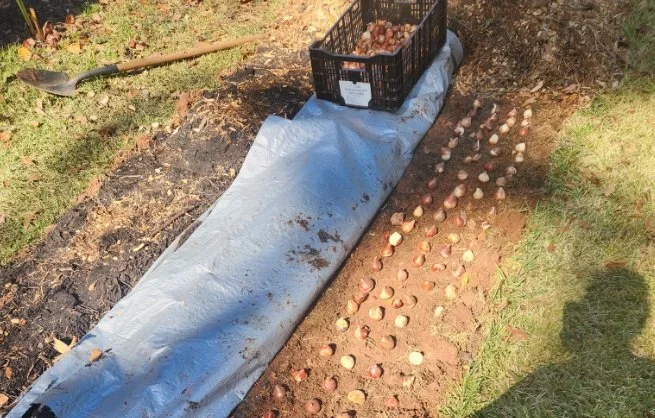
We are a 0 Till farm. We leverage tarps and mulch to kill grass and make new beds. Zero-till (no-till) farming improves soil health by reducing erosion, preserving soil structure, and increasing organic matter and beneficial microbes. By leaving soil undisturbed and keeping mulch on the surface, it helps retain moisture, suppress weeds naturally, and improve nutrient cycling, which lowers watering needs over time. No-till practices also protect earthworms and beneficial insects by avoiding mechanical disruption of their habitat, allowing these organisms to thrive and naturally aerate the soil, break down organic matter, and support healthy plant growth.
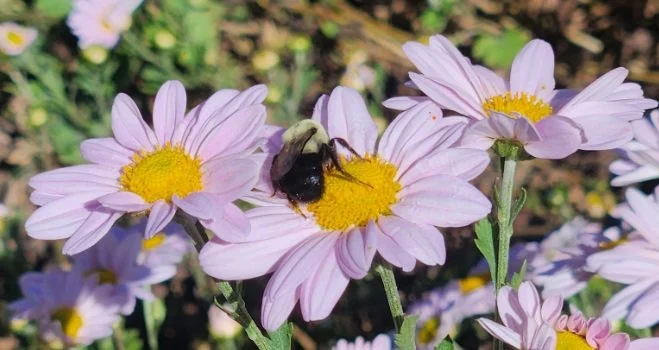
We use no pesticides. Using zero pesticides on a small-scale urban flower farm protects the health of pollinators and beneficial insects. It creates a safer environment for us, nearby residents, pets, and wildlife by eliminating chemical exposure and drift. Pesticide-free growing also supports cleaner soil and water, improves long-term soil fertility, and builds a more balanced ecosystem where natural predators help control pests (We love our spiders and paper wasps). For customers, it adds trust and value by offering truly clean, sustainably grown flowers.
We use no synthetic fertilizer. Using zero synthetic fertilizers helps build healthier, more resilient soil by encouraging natural nutrient cycling through compost and organic matter (Leave the leaves!). It reduces the risk of nutrient runoff and water pollution, which is especially important in urban environments. Plants grown without synthetic input tend to develop stronger root systems and more balanced growth, making them less prone to pests and disease over time. For a small-scale flower farm, this approach supports long-term soil fertility and offers customers blooms that are aligned with ecological stewardship.
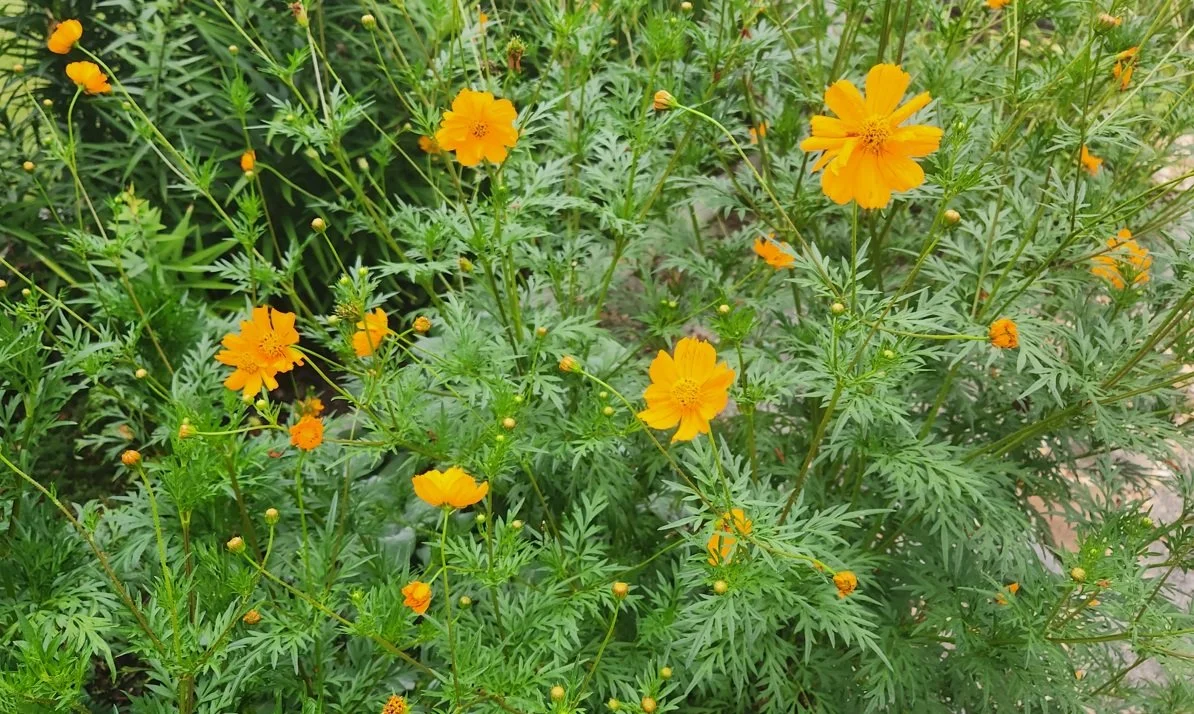
We plant mainly drought resistant or climate resilient flowers. Planting mainly low-water-need crops conserves a precious natural resource by significantly reducing watering demand, which is especially important as droughts become more common and water supplies grow more strained. These flowers are better adapted to thrive with minimal supplemental watering, leading to healthier plants and lower energy use. By using less water, we reduce runoff, helping protect underground waterways from sediment pollution. Overall, prioritizing low-water crops supports a more resilient, climate-smart farming system that works in harmony with our environment.
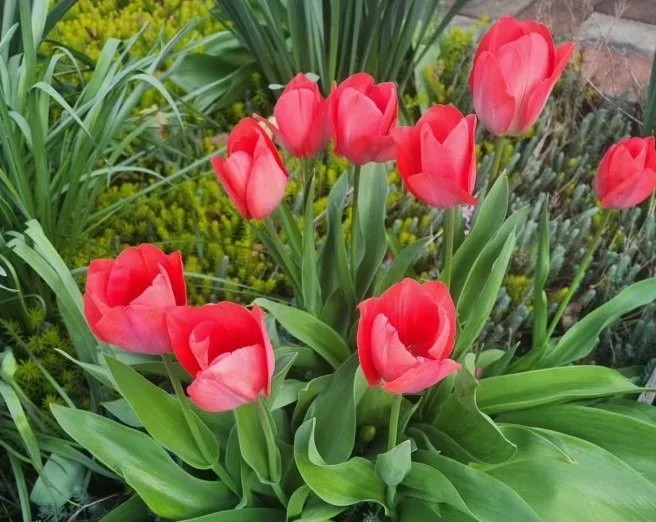
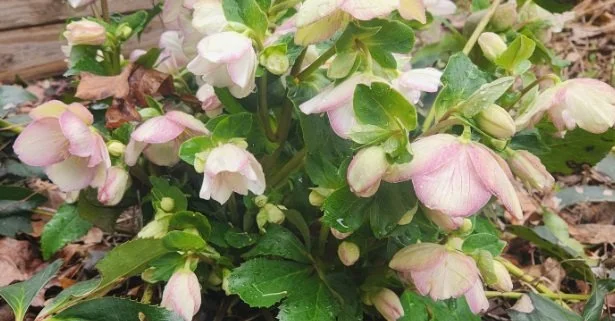
We focus most of our efforts on planting low maintenance flowering perennials with a long vase life. Planting flowering perennials offers meaningful environmental benefits by reducing the need for frequent replanting, intensive care, and shipping of seeds/fuel. Because these plants return year after year, they help build stable soil structure, support a consistent habitat for pollinators and beneficial insects, and minimize soil disturbance. Their extended vase life means fewer flowers are needed to achieve the same decorative impact, which reduces waste and the overall environmental footprint for floral production. Together, these qualities create a more sustainable, resilient growing system that aligns with long-term ecological stewardship.
Offerings
Farmers Markets
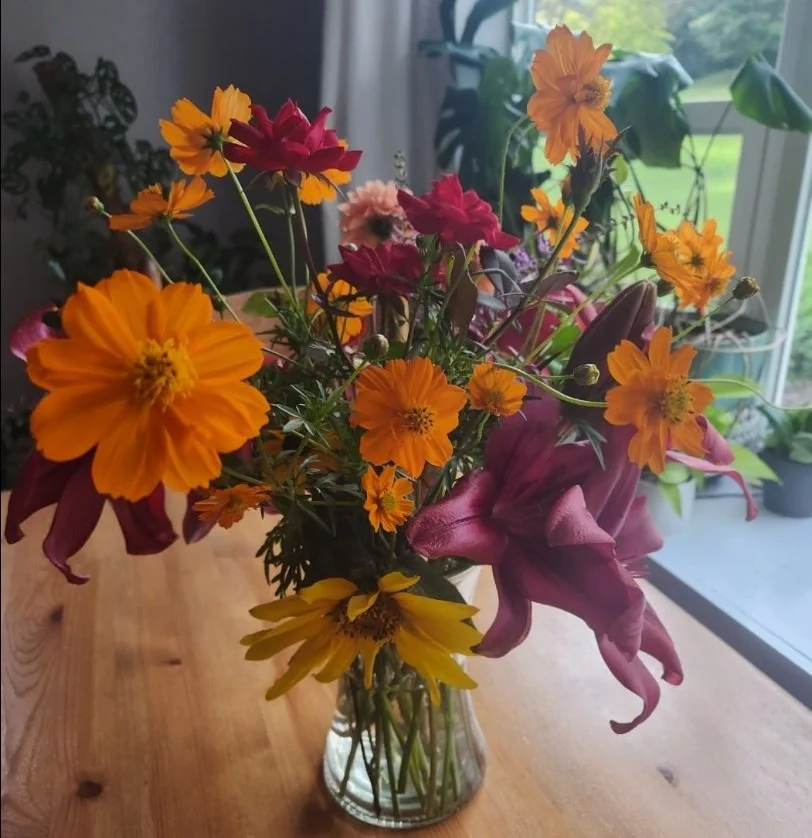
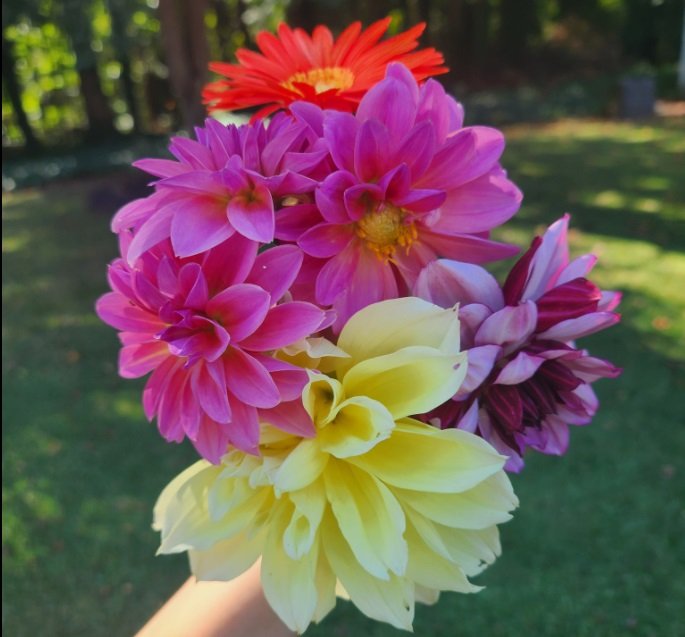
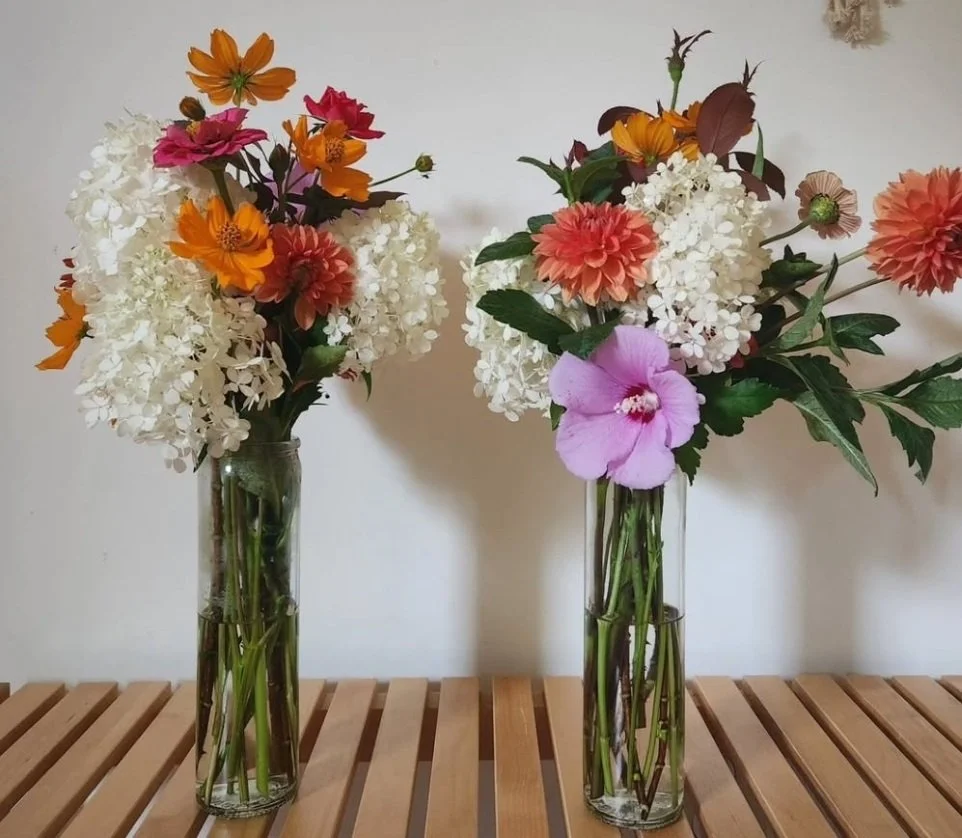
Find us at your local farmers market starting March 25, 2026! We’ll be vending regularly at two local community farmers markets (Decatur on Wednesday evenings 4-7 PM, and EAV on Thursday evenings 4-8 PM), offering fresh, seasonal bouquets grown right here on our urban flower farm - along with plant starts for starting your own garden!
Local Flower Delivery (within 10 miles)
If you live within a 10-mile radius of the farm, you can order a farm-fresh bouquet for local delivery. We’ll bring your flowers straight to your door in our zero-emissions electric vehicle. To place a delivery order, contact us directly at 706-410-8650 or email homegrownwildblooms@gmail.com.
Floral Arrangements for Weddings & Events
Because Georgia’s growing season runs from March through November, with peak blooms from May to August, we currently offer full-service floral arrangements for weddings and events during the months of May–August. If your event falls outside this window, we can supplement with flowers from other farms or wholesalers—but for 100% farm-grown florals from us, May–August is the ideal time. As we expand our winter blooms, this season may grow in the future. For event availability and pricing, contact us directly at 706-410-8650 or email us at homegrownwildblooms@gmail.com.